
Most CVEs Will Never Be Exploited. This Guide Shows You the Ones That Are.
Over 21,500 CVEs were disclosed in H1 2025. Yet only a small fraction are actively exploited by real threat actors.
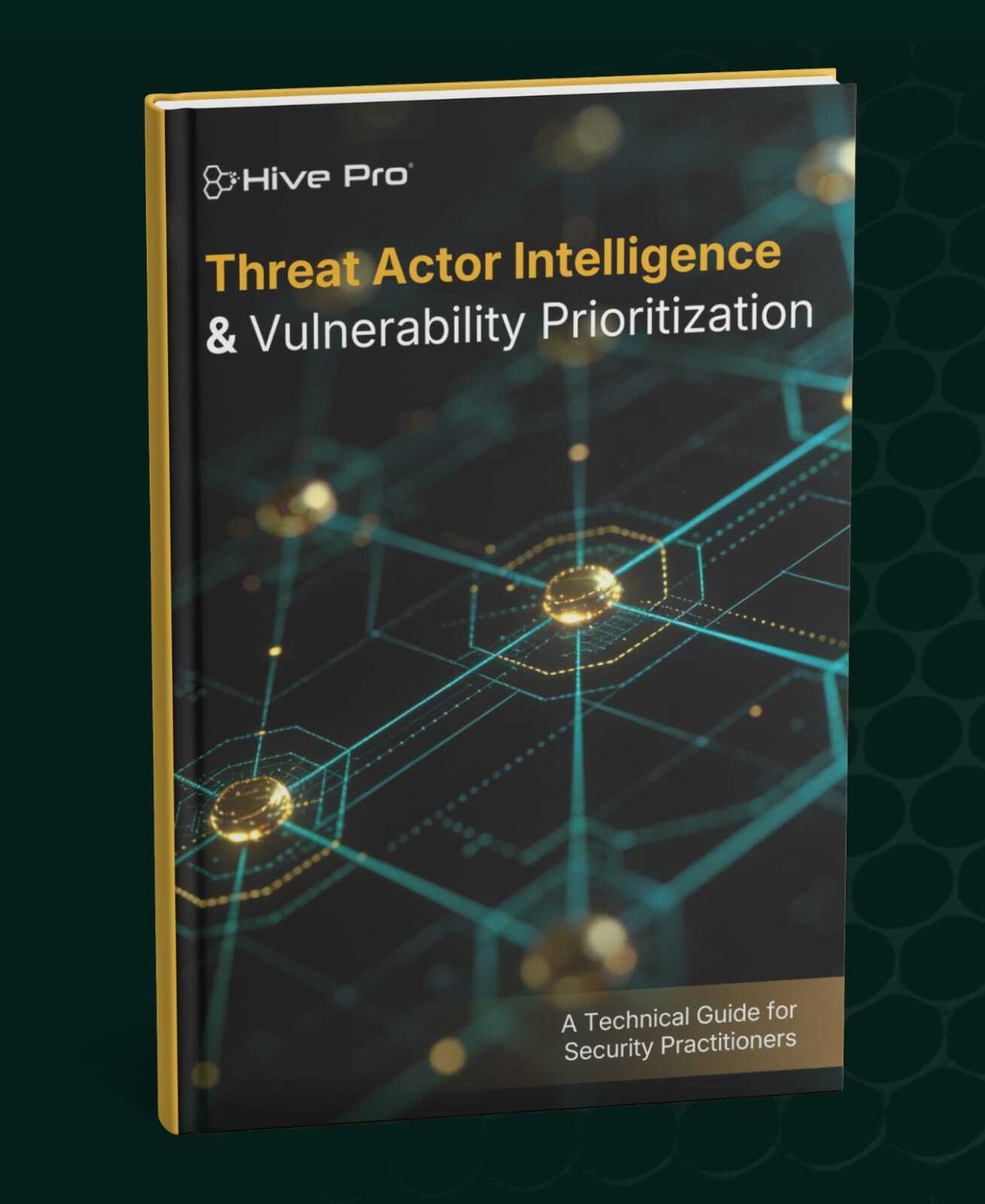
This technical guide shows how security teams use threat actor intelligence to isolate and prioritize the vulnerabilities that attackers are actually using in live campaigns.
What You’ll Get in this Guide
-
How Threat Actors Actually Exploit Vulnerabilities
Understand how six major APT and ransomware groups select targets, weaponize CVEs, and bypass traditional defenses.
-
Why CVSS-Based Prioritization Fails in Practice
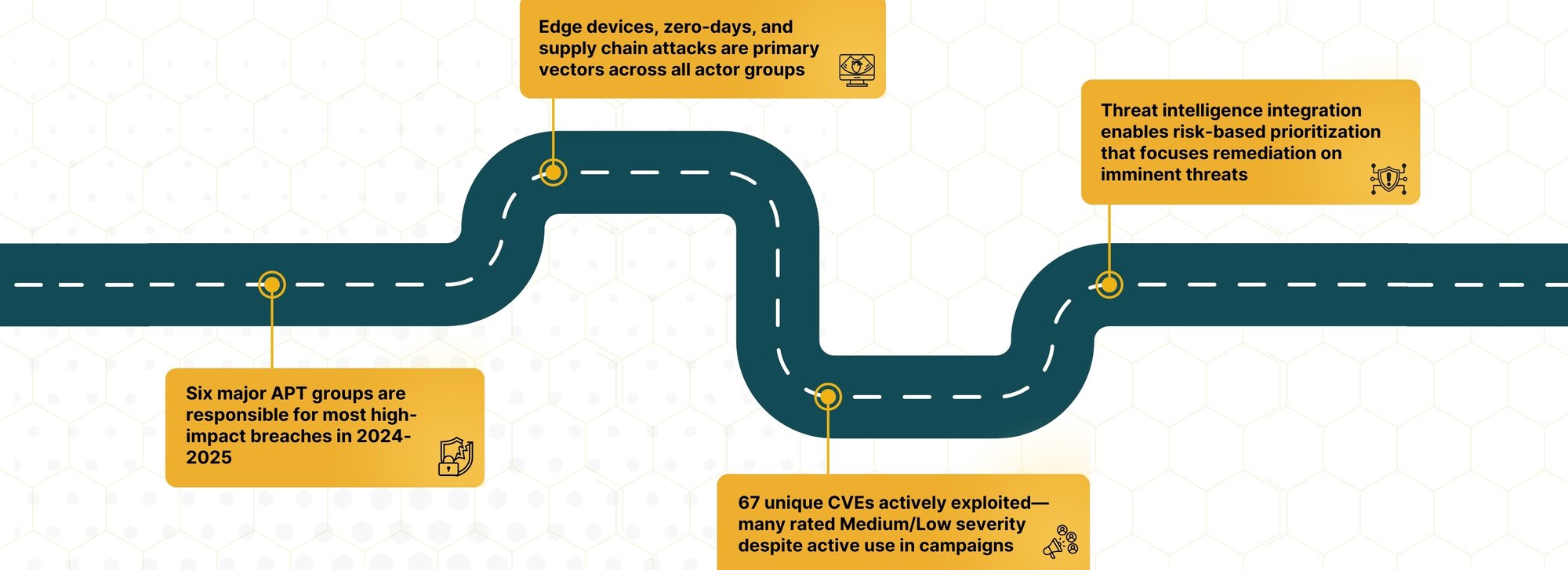
Learn why 85% of exploited vulnerabilities are rated Medium or Low and why CVSS alone cannot predict real risk.
-
Which CVEs Are Actively Exploited Right Now
A breakdown of 67 CVEs currently used in live campaigns, including edge devices, zero-days, and supply chain attacks.
-
How to Build a Threat-Driven Prioritization Model
A practical framework using threat intelligence, reachability, exploit availability, and asset context to cut remediation time from months to days.
Why Threat-Driven Prioritization Matters Now
.png "Traditional Vulnerability Management vs CTEM. Hive Pro (12)")
Attackers Move Faster Than Patch Cycles
35% of exploited vulnerabilities are weaponized within 48 hours. Traditional remediation timelines can’t keep up.
.png "Traditional Vulnerability Management vs CTEM. Hive Pro (5)")
Edge Devices and Low-Severity CVEs Are Prime Targets
VPNs, firewalls, and identity systems are being exploited precisely because they’re often deprioritized.
.png "Traditional Vulnerability Management vs CTEM. Hive Pro (9)")
Backlogs Are Growing, Not Shrinking
15,000–25,000 new vulnerabilities per quarter makes “patch everything” mathematically impossible. Precision is the only option.
This Guide Is Designed For:
- Vulnerability Management and SecOps teams
- Security engineers and detection & response teams
- Threat intelligence and SOC analysts
- Teams using Tenable, Qualys, or Rapid7 who want better prioritization
- Security practitioners responsible for remediation SLAs and MTTR
- Anyone tired of chasing CVSS scores instead of stopping attacks
Ready to Prioritize Vulnerabilities the Way Attackers Do?
Frequently Asked Questions (FAQs)
How is this different from standard vulnerability management guides?
This guide focuses on real threat actor behavior and active exploitation, not generic scoring models or compliance checklists.
Does this replace CVSS scoring?
No. It shows how to augment CVSS with threat intelligence, exploit availability, and reachability to prioritize better.
Is this practical or just threat intel theory?
It’s highly practical. The guide includes a prioritization framework, SLA tiers, and operational workflows used by real teams.
Will this help reduce remediation backlog?
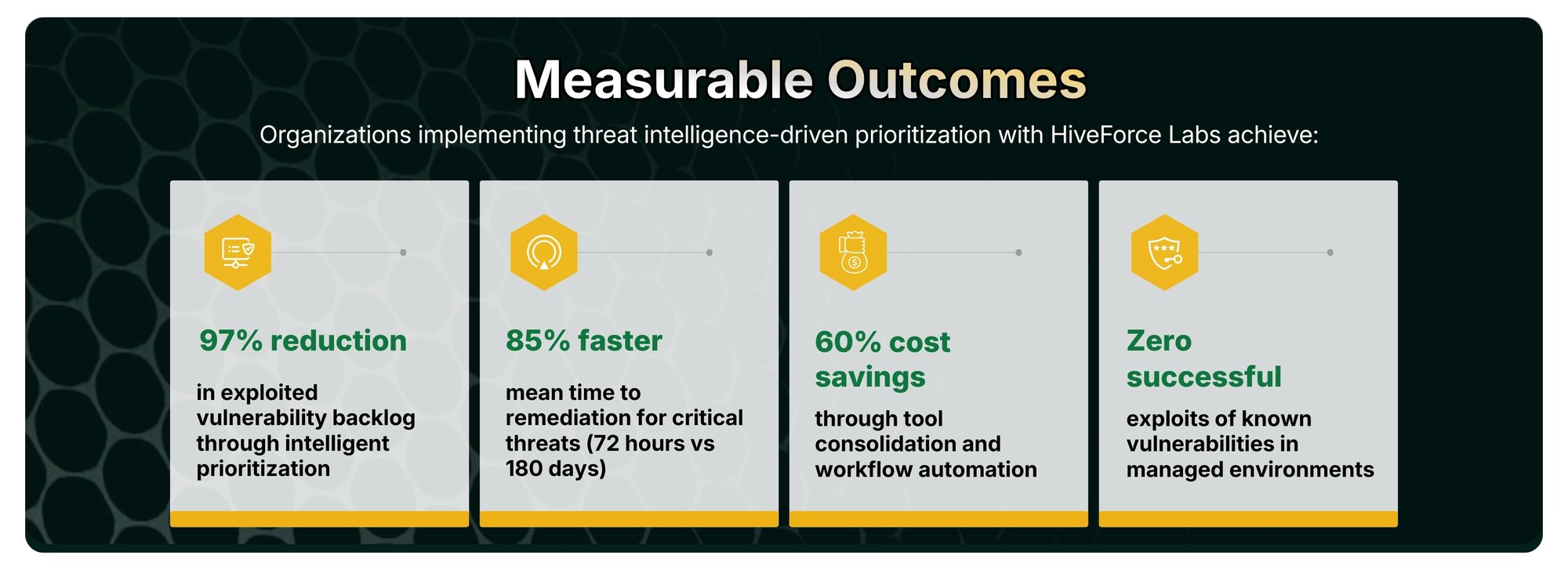
Yes. Organizations applying this approach typically reduce exploitable backlog by over 90% by focusing only on real exposures.
Is this relevant if we already use Tenable or Qualys?
Absolutely. The guide explains how to layer threat actor intelligence on top of existing scanners to improve outcomes.